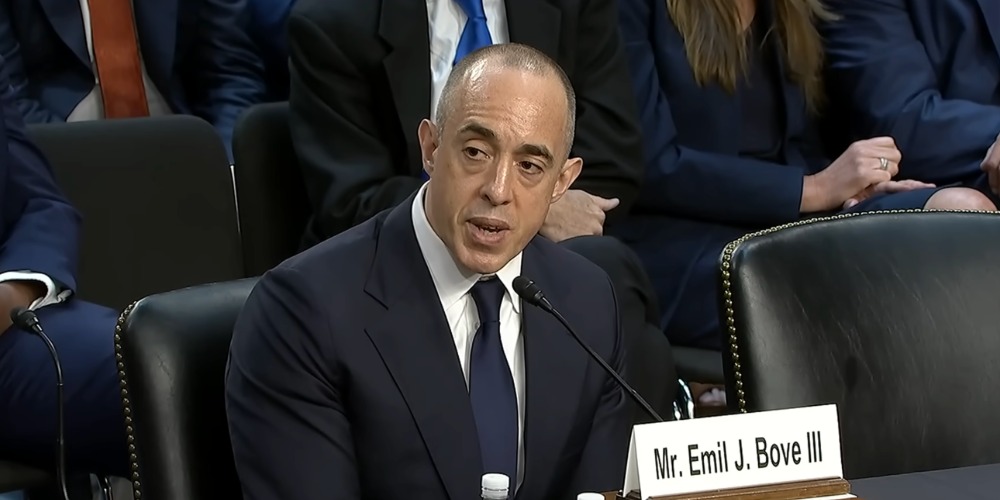
“That was where the breakdown was,” County Supervisor Kathryn Barger admitted. “There was a gap there.”

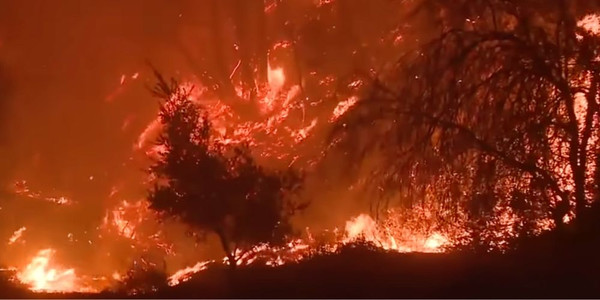
As flames spread westward, several Los Angeles County firefighters on the ground reportedly urged incident commanders to order evacuations for communities stretching from Altadena west to La Cañada Flintridge. At that time, only East Altadena was under mandatory evacuation orders. Residents in the western neighborhoods had not received warnings despite reports of houses already burning.
According to the Los Angeles Times, for reasons that remain unclear, officials waited roughly three hours before issuing evacuation orders for west Altadena. Those orders were finally sent out at 3:25 am, about four hours after 911 callers began reporting smoke and flames. Some areas were not evacuated until nearly 6 am. 19 people died in the Eaton fire, and all but one was in the section of Altadena that had not yet been ordered to evacuate.
The delay was revealed in county documents released last month, raising more concerns about how the county handled the fires. County Supervisor Kathryn Barger, who represents Altadena, acknowledged that the county fire department bears responsibility for the “gap” between when alerts were needed and when they were actually implemented.
“That was where the breakdown was,” she told The LA Times. “There was a gap there.”
LA County Fire Department spokesperson Heidi Oliva told the outlet that Fire Chief Anthony Marrone “is committed to ensuring the Department continues to improve for future fires.” Regarding questions on whether the department should be considered at fault for delayed alerts, Olivia responded that the department “agrees with Supervisor Barger that Unified Command makes and executes evacuation decisions.”
California typically uses a unified command structure to manage large wildfires, bringing together multiple agencies to coordinate the response. In the early hours of the Eaton Fire, LA County Fire served as one of the lead agencies but soon joined forces with Pasadena Fire, the Angeles National Forest, the Los Angeles Sheriff’s Department, and the Office of Emergency Management. When asked why evacuation recommendations made by field crews before midnight were not acted on, Olivia did not answer. However, she cited the “massive, unprecedented natural disaster” officials faced.
“Unified command did their very best to identify evacuation zones to be alerted based on the information available to them at that time,” Oliva said. “When unified command learned that the fire was seen north of Lake and moving west, it validated and acted to issue the orders that were sent out by OEM.”
Join and support independent free thinkers!
We’re independent and can’t be cancelled. The establishment media is increasingly dedicated to divisive cancel culture, corporate wokeism, and political correctness, all while covering up corruption from the corridors of power. The need for fact-based journalism and thoughtful analysis has never been greater. When you support The Post Millennial, you support freedom of the press at a time when it's under direct attack. Join the ranks of independent, free thinkers by supporting us today for as little as $1.
Remind me next month
To find out what personal data we collect and how we use it, please visit our Privacy Policy